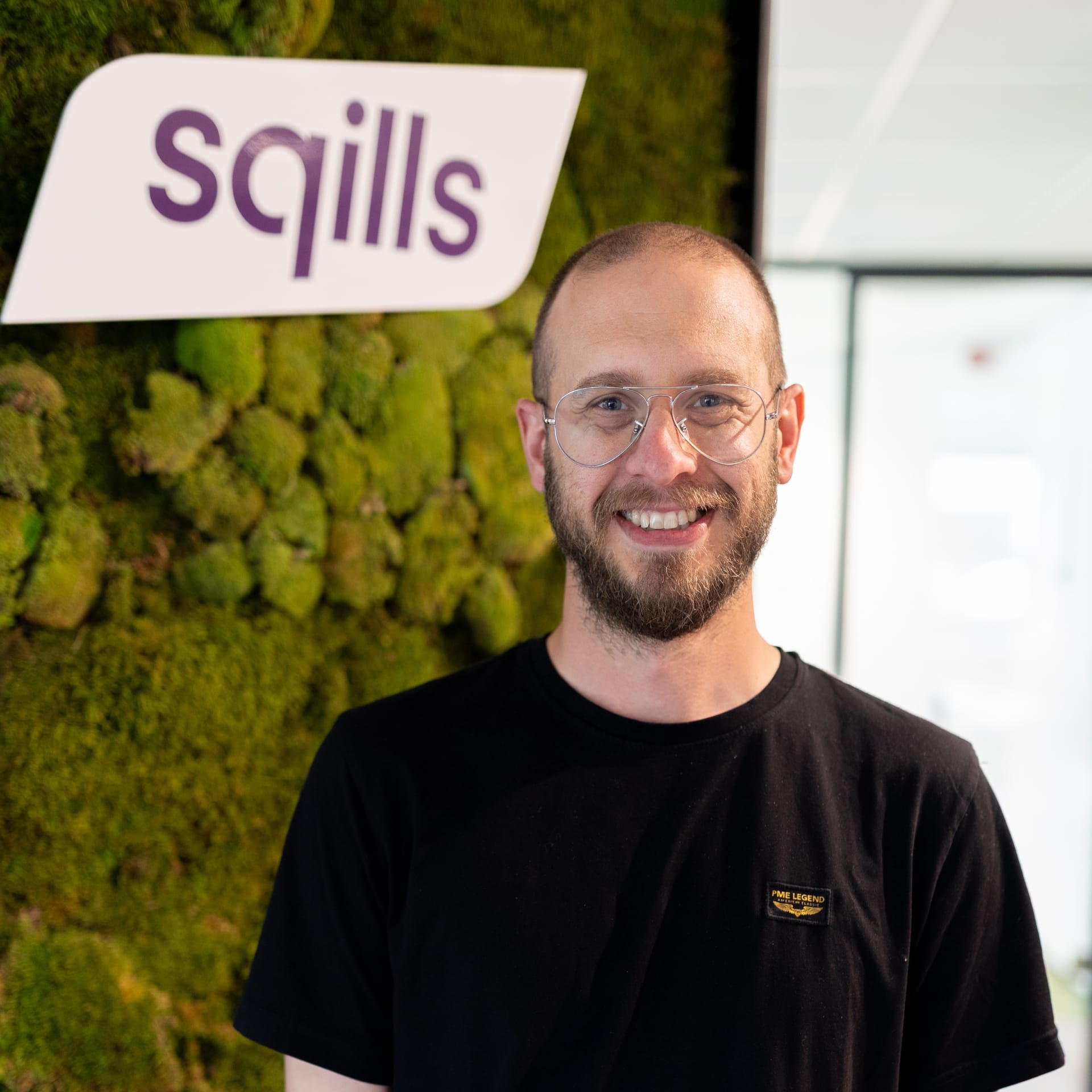
Chris is one of the Product Managers at Sqills. He joined in 2017 as part of what was, at the time, the company's biggest hiring round ever - all four of them. Nearly eight years on, he's still here.
Chris
Meet Chris - He found Sqills through video games, came in for a chat, and never left. Eight years on, he keeps the product backlog moving across different development teams.
How did you end up at Sqills?
Through video games, honestly. Hans is good friends with my wife's brother, they grew up together. We'd been playing video games together long before I ever met him in person. So when I moved here, he just said: "If you're looking for a job, come talk to Sqills. We'll see if there's anything for you."
That was it. Easy. I came in, had a chat, and it took off from there.
What does a typical work week look like?
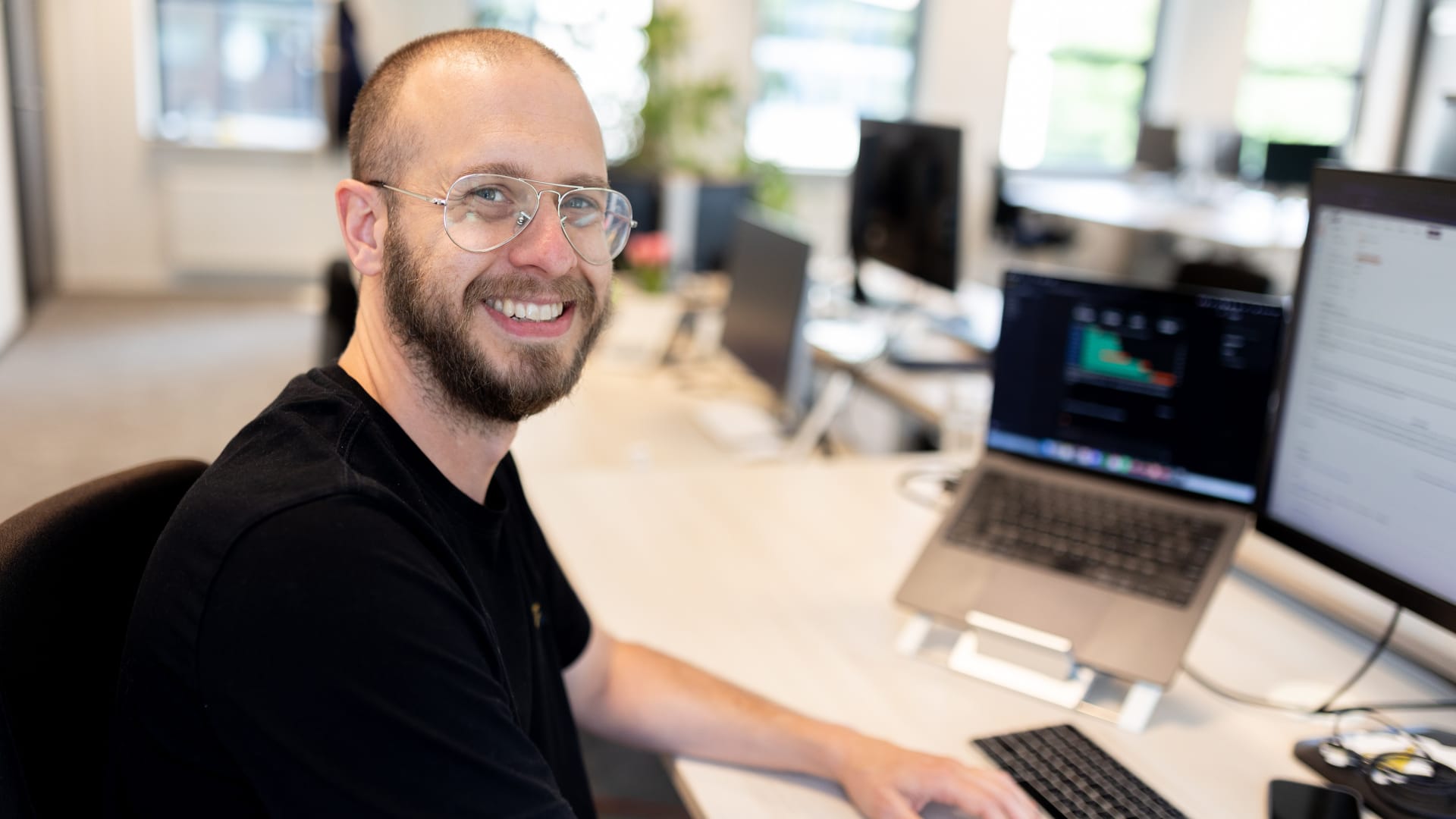
A lot of time management. My job is making sure work is flowing and that the teams have things to work on, filling and organising the backlog, making sure commitments are made and dates are met. When something slips, I handle the communication with projects, or with the SDMs (Service Delivery Managers) if it's a live customer.
I am constantly talking about ongoing projects to understand what's coming up, getting things prioritised across multiple teams, working out what's being built and when it needs to be ready. So really, the day-to-day is a lot of discussion, understanding the work, and keeping it moving.
How do you stay on top of everything?
Organisation, basically. I run a daily checklist - check this team, check this list, check that one. Plus a lot of meetings and discussion. Not just about the product, but about the people building it, through the Team Coaches.
Through our Portfolio Managers I stay connected to what's happening on the sales side too. They'll flag things like: "Nothing's signed yet, but be aware this customer will likely need work in this area a year from now." That kind of early warning matters.
We've also just started using Claude as an AI agent to help with daily checks. Mine now tells me, "Chris, I did this check for you - you may want to follow up on these items." It handles all the things that are fine and just gives me the highlights of what's not. Everyone uses it differently, but for me it's about pointing me at where my attention actually needs to go.
"It wasn't really planned or asked for. It just progressed as the company shifted around me."
Your role didn't exist when you started. How did your career evolve?
It was a weird flow. When I first joined, I didn't have a formal position. Sqills was growing and they essentially said, "We need people, but we're not sure where you'll fit." I didn't have a developer background, I didn't have a clear background of any kind, really.
So our Operations Director at that time gave me a list of words before he went on holiday for three weeks. He said: "Learn these. When I'm back, we'll see how much you've picked up and decide what happens with your trial period."
I started out splitting my time between what was then the infra team and the consultants upstairs - two or three days each, depending on the week. There wasn't really a "project consultant" role yet; consultants just worked on whatever projects or documentation needed doing.
Then the Center of Excellence was formed. That was Inge and me, working through bugs and answering questions from live customers. That eventually turned into Product Support, still just the two of us. Product Support started to grow, and then I went on holiday. I came back, our Operations Director once again caught me and said: "Hey, we're forming this Product Management thing. How would you like to do what you're doing now, but for all the teams?"
And that was it. It wasn't really planned or asked for. It just progressed as the company shifted around me.
What surprised you about working at Sqills?
The growth. When I started in September 2017, my hiring group was the biggest Sqills had ever had - and that was four of us. A lot of people were brought on that year overall.
What surprises me is how much there is left to build. We've added so much to the product over the years, and there's still a backlog of things to do. The growth isn't just in headcount; it's in the product itself. You can see it just keeps going.
"There's no repetitiveness. It's always a new feature, a new bug, a new question of where something came from."
What keeps you at Sqills?
The challenge. There's no repetitiveness - well, except the checks I complete. But it's always a new feature, a new bug, a new question of where something came from. Always something different.
The flexibility matters too. The balance between home and office work here is genuinely good. A lot of companies have hardened up on mandatory office days; here, the flexibility is still real. With kids, I can't take full advantage of it, but it's a big deal.
And the people. I've never had an issue with anyone here. Between the product evolving, the people, and the flexibility - those three things tick a lot of smaller boxes for me.
"Fast, busy, social if you want it to be, and surrounded by people who actually want to help you get good at the job."
What should someone expect before they apply?
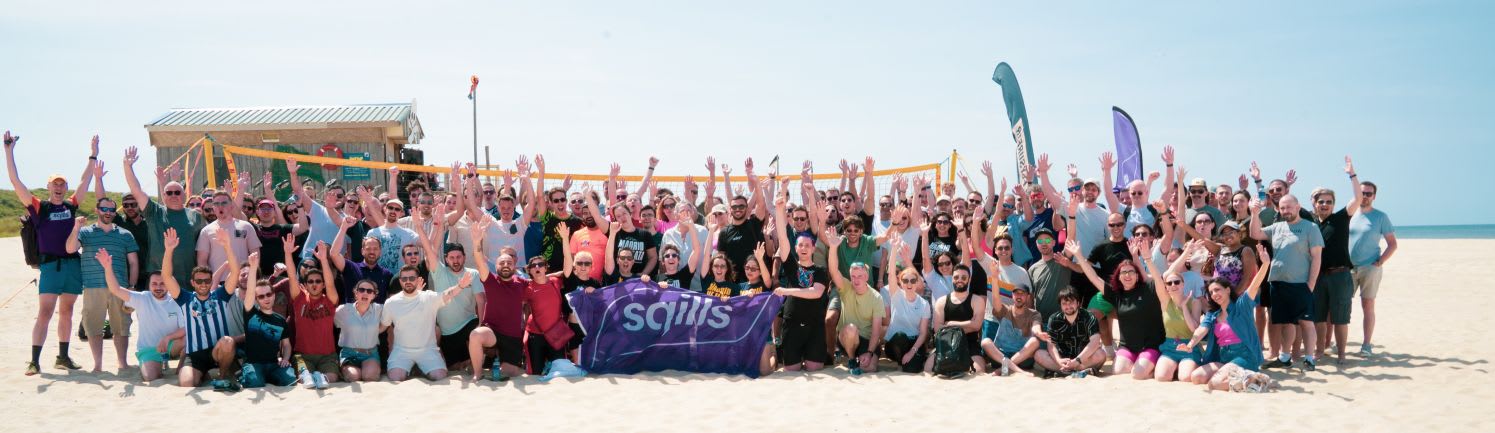
High pace. We work fast, and you won't be bored. There's always something to do - and not just work. There's the company trip, conference, movie nights, game nights, board game evenings, padel, yoga, bouldering. Plenty of ways to find your people.
And expect a lot of help. People here are genuinely helpful, sometimes almost too helpful. Especially with newer developers; the onboarding is something I think we do really well. People love to teach.
So: fast, busy, social if you want it to be, and surrounded by people who actually want to help you get good at the job.
Want more?
Want to apply to start creating your own story at Sqills? Want to read more from other colleagues? Click below